- Can Bad Tyres Damage Your Car?
- How Long Can You Drive on Worn Tyres?
- When Replacement Is the Smarter Choice
- Why On-Site Replacement Reduces Risk
- Long-Term Savings for Careful Drivers
- Protecting Your Vehicle Before Problems Start
Can Bad Tyres Damage Your Car?
Worn or damaged tyres can affect more than just your vehicle’s grip on the road. Tyres play an important role in braking, steering, handling and overall vehicle stability. Continuing to drive with severely worn, damaged or under-inflated tyres can also increase the risk of damage to the wheels and other components.
How Long Can You Drive on Worn Tyres?
There is no safe distance or fixed period for driving on a tyre that is excessively worn or damaged. As tread wears down, the tyre may provide less grip, particularly in wet conditions, and braking performance can be affected. If a tyre shows significant wear, damage or persistent pressure loss, it should be professionally inspected rather than used until the problem becomes more serious.
When Replacement Is the Smarter Choice
A tyre may need replacing when the tread reaches the legal limit, the sidewall is seriously damaged, or the tyre can no longer be safely repaired.
Why On-Site Replacement Reduces Risk
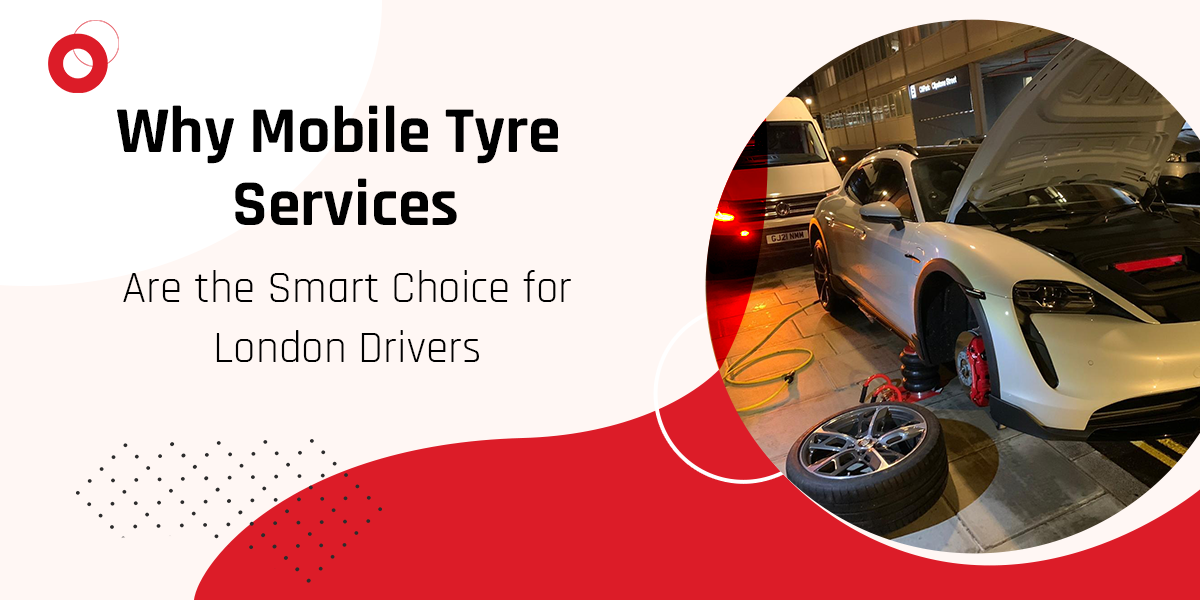
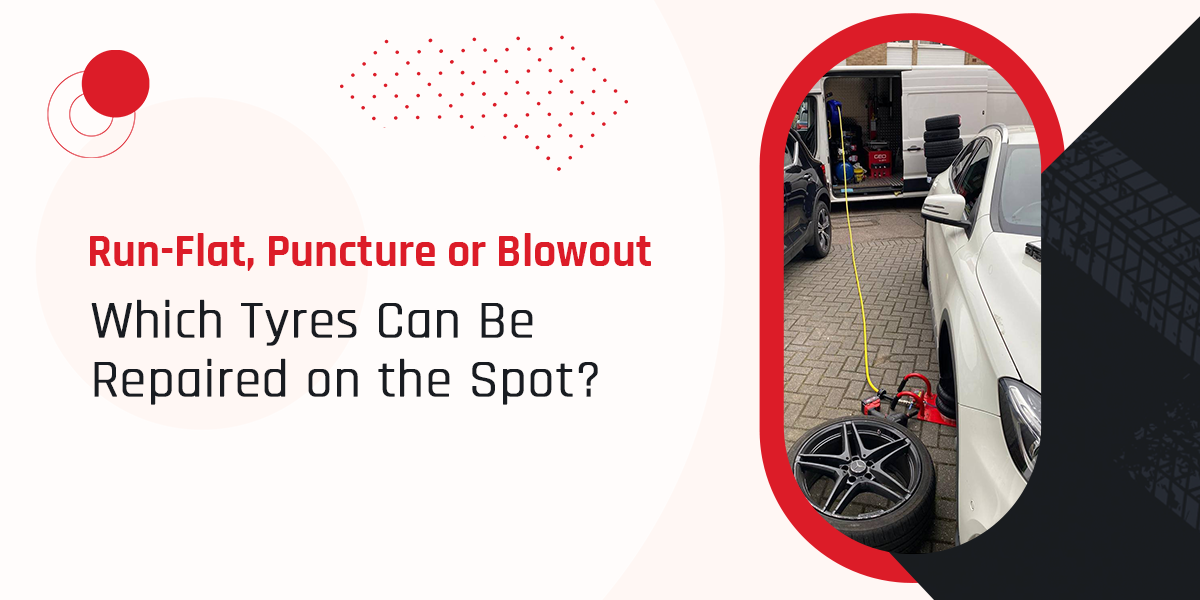
Mobile tyre replacement can be a practical option when a tyre is too damaged or flat to drive safely. A technician can attend your location, inspect the tyre and, where the required tyre is available, fit a suitable replacement without requiring you to drive to a garage on a damaged tyre.
This can be particularly useful when dealing with a flat tyre at home, work or a safe roadside location. The technician can also check the condition of the replacement and ensure it is suitable for the vehicle before fitting.
Long-Term Savings for Careful Drivers
Looking after your tyres can help maintain safe handling and efficient vehicle performance. Regularly checking tyre pressures, monitoring tread wear and addressing damage promptly can reduce the likelihood of unexpected tyre problems and help prevent avoidable damage.
Protecting Your Vehicle Before Problems Start
Regular tyre inspections can help identify problems before they develop into an emergency. Check your tyre pressures according to the vehicle manufacturer’s recommendations and look for signs of uneven wear, cracks, bulges or objects embedded in the tread.
If you notice significant wear, damage or repeated pressure loss, arrange a professional inspection. Dealing with tyre problems promptly can help protect your vehicle, maintain safe road performance and reduce the inconvenience of an unexpected breakdown.