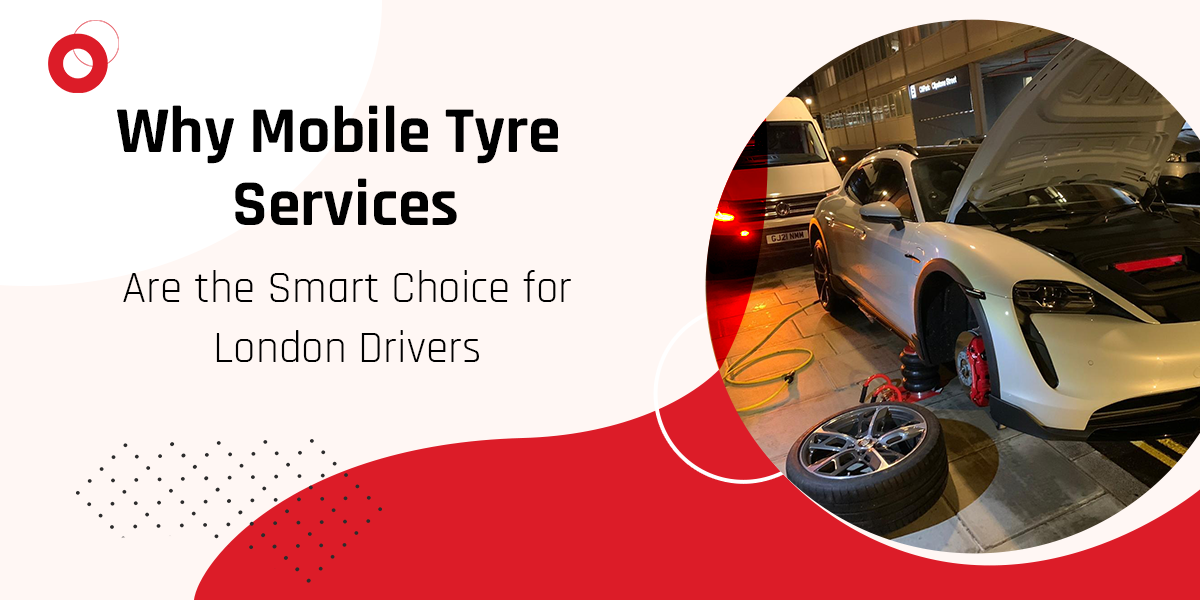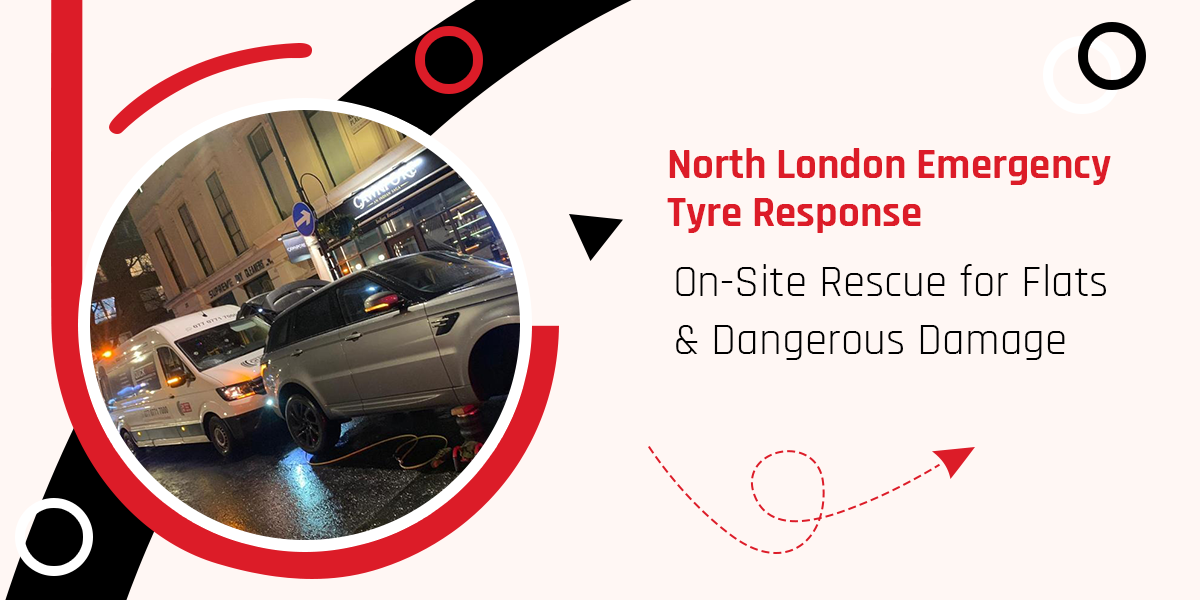
Tyre problems can occur without warning and can quickly disrupt your plans. Whether you are travelling through Finchley, using the North Circular or parked on a residential street in Muswell Hill, a puncture or blowout can leave you unable to continue your journey.
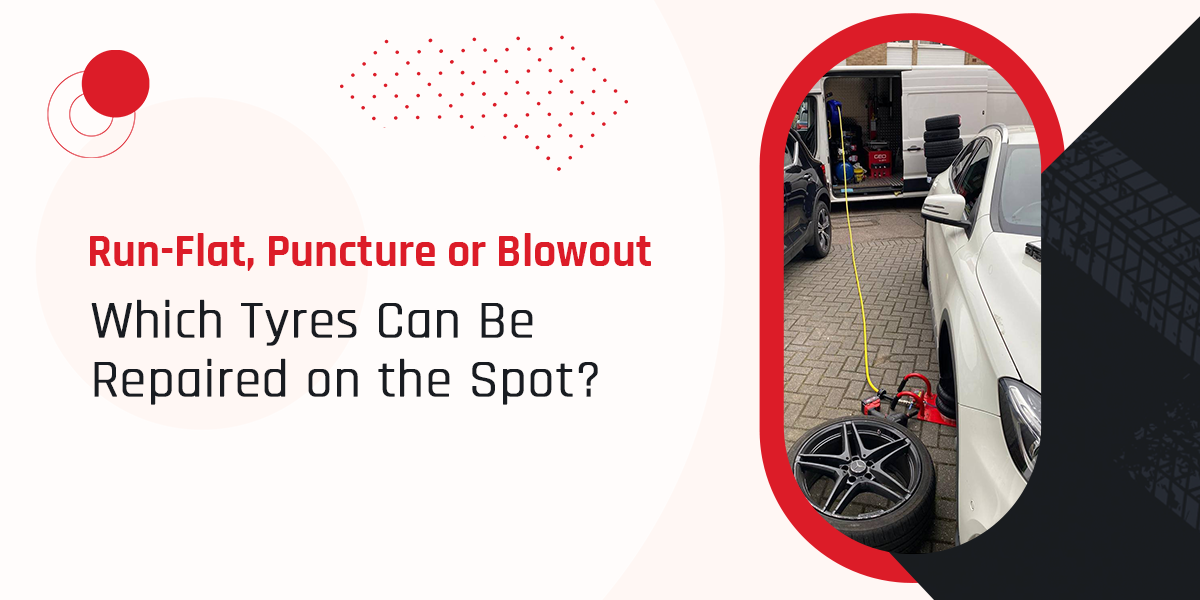
Emergency mobile tyre services provide a convenient solution by sending a trained technician directly to your location. With professional tools and equipment available in the service vehicle, many common tyre problems can be assessed and resolved without the need to arrange a separate trip to a garage.
This guide explains what to do during a tyre emergency, the types of damage that may require attention, how mobile assistance works, and the key factors that can affect the cost of the service.
Why Emergency Tyre Assistance Matters in North London
North London includes busy main roads, residential streets and areas where roadworks and construction can affect road conditions. These factors can increase the risk of punctures, impact damage and other tyre problems.
Common causes of tyre damage include:
- Road debris: Nails, screws, glass and other sharp objects can cause punctures.
- Potholes and uneven surfaces: A significant impact can damage a tyre or wheel.
- Kerb impacts: Striking a kerb can cause cuts, bulges or other forms of tyre damage.
- Worn or ageing tyres: Tyres with insufficient tread or visible deterioration may be more vulnerable to damage.
- Incorrect tyre pressure: Driving with significantly under-inflated or over-inflated tyres can affect handling and tyre performance.
Having access to professional assistance can help drivers deal with these problems safely and avoid unnecessary disruption to their journey.
How On-Site Tyre Assistance Works
When you request emergency tyre assistance, the technician will normally assess the situation before deciding whether the tyre can be repaired or needs to be replaced.
1. Tyre Inspection
The technician checks the tyre and wheel for issues such as:
- Punctures and air leaks
- Sidewall cuts, cracks or bulges
- Severe tread damage
- Valve-related problems
- Signs of impact damage
The inspection helps determine the safest and most appropriate solution.
2. Repair or Replacement
Some punctures may be repairable, provided the damage is suitable for repair and the tyre remains safe to use. Serious damage, particularly to the sidewall, generally means that the tyre should be replaced rather than repaired.
3. On-Site Fitting
Where a replacement is required, a mobile technician can fit the appropriate tyre at your location. Service vehicles are typically equipped with tools for tyre removal, fitting and inflation.
4. Final Checks
Once the work is completed, the technician can carry out appropriate checks, which may include:
- Checking and adjusting tyre pressure
- Inspecting the wheel and tyre after fitting
- Checking wheel nut security
- Balancing the wheel where required
Common Tyre Problems That May Require Assistance
- Punctures: A punctured tyre should be inspected before you continue driving.
- Blowouts: A severely damaged or burst tyre normally requires replacement.
- Sidewall damage: Cuts, bulges and serious sidewall damage can make a tyre unsafe.
- Valve leaks: A faulty valve can cause gradual loss of air pressure.
- Worn tread: Tyres approaching or below the legal tread limit should be replaced promptly.
Having these problems dealt with at your location can be particularly useful when the vehicle cannot safely be driven to a garage.
Advantages of Mobile Tyre Services
- Convenience: Assistance comes to your location rather than requiring you to drive to a garage.
- Time saving: On-site support can reduce the disruption caused by an unexpected tyre problem.
- Professional equipment: Technicians use specialist tools to repair or replace tyres safely.
- Flexible locations: Assistance may be available at home, work or a suitable roadside location.
- Reduced recovery requirements: When the vehicle can be safely serviced on-site, a separate garage recovery may not be necessary.
Safety Tips During a Tyre Emergency
Your safety should always come first when dealing with a tyre problem. If possible:
- Move to a safe location away from moving traffic.
- Switch on your hazard warning lights.
- Avoid driving on a flat or seriously damaged tyre.
- Take extra care when stopping on a busy or high-speed road.
- Only leave the vehicle when it is safe to do so.
- Contact a professional breakdown or tyre service for assistance.
If you are on a motorway or another dangerous road, follow the relevant road safety guidance and prioritise getting yourself and your passengers to a safe place.
Emergency Tyre Service Costs in North London
The cost of mobile tyre assistance can vary considerably depending on the work required. Factors that may affect the final price include:
- The tyre size and specification
- The type of vehicle
- Whether a repair or replacement is required
- The brand and type of replacement tyre
- Your location and distance from the technician
- The time and day of the call-out
- Whether specialist or run-flat tyres are required
Prices can differ between providers, so it is sensible to confirm the call-out charge, fitting costs and any replacement tyre costs before work begins.
When Should You Call a Tyre Technician?
Professional assistance may be appropriate if you experience:
- A sudden puncture or loss of tyre pressure
- A complete blowout
- Visible cuts, bulges or other tyre damage
- Persistent loss of air pressure
- Unusual vibrations or changes in handling
- Damage following a pothole or kerb impact
Getting a damaged tyre inspected promptly can help prevent further problems and ensure that your vehicle is suitable to continue its journey.