I’ve removed all hyperlinks and optimised the copy for **natural UK English, readability, SEO, and reduced keyword repetition**, while keeping the HTML structure clean.
Emergency Tyre Repair & Replacement in North London
Unexpected tyre problems can happen at any time, turning an ordinary journey into a stressful situation. Whether you are travelling along the North Circular, driving through Finchley or commuting around Muswell Hill, a flat tyre, puncture or sudden blowout can bring your journey to an immediate stop.
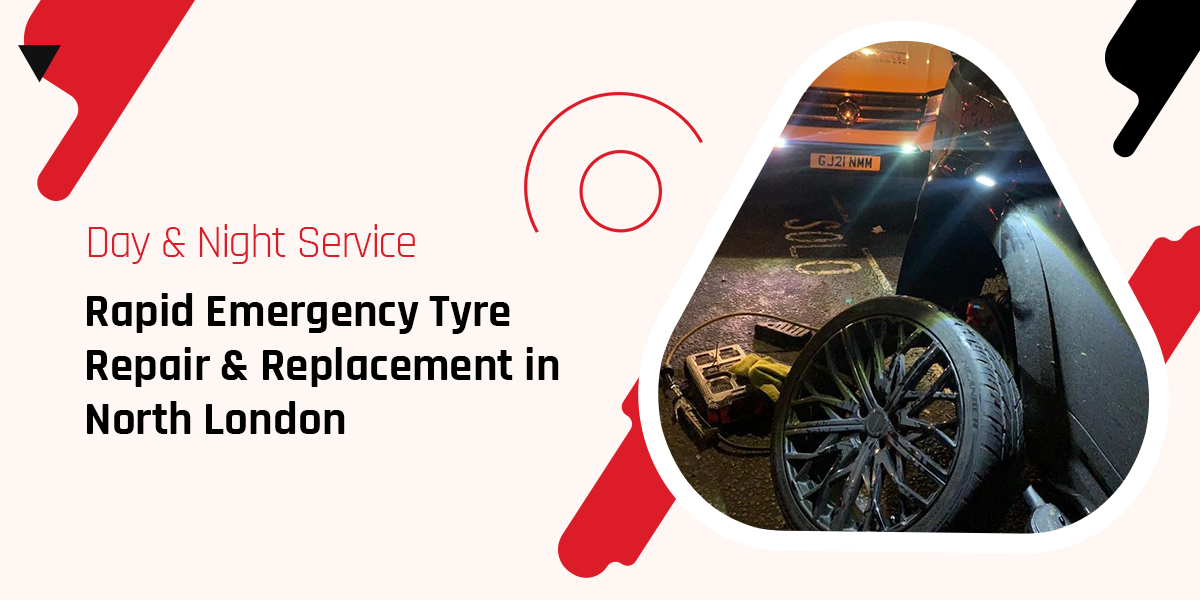
Emergency tyre repair and replacement services provide a convenient solution, bringing professional assistance directly to your location. Mobile tyre technicians use fully equipped vans to repair suitable punctures or replace damaged tyres on-site, helping drivers avoid the inconvenience of towing their vehicle to a garage.
This is particularly useful in busy areas of North London, where finding a safe place to stop or arranging vehicle recovery can be difficult. Many local motorists look for mobile tyre near me in Finchley when they need prompt assistance with a damaged or flat tyre.
In this guide, we explain how emergency tyre services work, the common problems technicians can handle, important safety advice, typical costs and when you should call for professional assistance.
Why Emergency Tyre Services Matter in North London
North London has a mixture of busy main roads, residential streets and high-traffic routes. These conditions can expose tyres to various hazards, including:
- Sharp road debris – Nails, screws, glass and other debris can cause sudden punctures.
- Potholes and uneven surfaces – Impacts from potholes can damage tyres, wheels and suspension components.
- Kerb impacts – Contact with kerbs can cause sidewall damage or affect the wheel rim.
- General wear and tear – Worn tyres are more vulnerable to punctures and other failures.
- High-speed tyre failures – A damaged or under-inflated tyre can be particularly dangerous on faster roads.
Professional mobile tyre services provide a practical way to deal with these problems while reducing the need to drive a damaged vehicle.
How On-Site Tyre Repair & Replacement Works
1. Tyre and Wheel Assessment
The technician first examines the affected tyre and wheel to determine the cause and extent of the damage. This may include:
- Checking for punctures, cuts and tread damage.
- Inspecting the sidewall for tears, bulges or other damage.
- Checking the wheel rim for cracks, bends or damage.
- Inspecting the valve and bead area for possible air leaks.
2. Repair or Replacement
If the damage is minor and located in a suitable repairable area, a puncture may be repaired on-site. However, sidewall damage, blowouts, severe tread damage and excessively worn tyres generally require replacement rather than repair.
3. On-Site Tyre Fitting
Where a replacement is required, the technician can remove the damaged tyre and fit a suitable replacement at your location. The tyre is inflated to the correct pressure, with wheel balancing carried out where necessary.
4. Final Safety Checks
Before you continue your journey, the technician should carry out final checks, including:
- Verifying the correct tyre pressure.
- Checking that the wheel nuts are properly tightened.
- Confirming the tyre has been fitted correctly.
- Inspecting the tyre and wheel for any remaining issues.
Common Tyre Emergencies Handled On-Site
- Flat tyres – Suitable punctures may be repaired, while seriously damaged tyres can be replaced.
- Blowouts – A blown tyre normally requires a replacement.
- Sidewall damage – Sidewall damage generally means the tyre cannot be safely repaired and must be replaced.
- Valve leaks – Faulty or damaged valves can often be replaced to resolve air loss.
- Bead leaks – Leaks around the tyre bead can be assessed and repaired or replaced depending on the condition.
- Worn tyres – Tyres that are excessively worn or unsafe can be replaced to restore safe road performance.
Getting professional assistance promptly can help prevent further damage and reduce the risks associated with driving on a flat or damaged tyre.
Advantages of Mobile Emergency Tyre Services
- Convenient response – A technician can come directly to your location instead of requiring a garage visit.
- On-site repairs – Many suitable punctures and tyre problems can be dealt with where the vehicle is parked.
- 24/7 assistance – Some mobile tyre providers operate throughout the day and night, including weekends and bank holidays.
- No separate towing arrangement – A mobile service can often repair or replace the tyre without vehicle recovery.
- Specialist equipment – Mobile vans are equipped with tyre-fitting, inflation and balancing equipment.
- Professional technicians – Experienced technicians can assess the damage and recommend the safest solution.
Safety Tips During a Tyre Emergency
If you experience a tyre problem while driving, prioritise your safety and that of other road users.
- Move your vehicle to a safe location away from moving traffic where possible.
- Switch on your hazard warning lights.
- Keep a safe distance from passing traffic.
- Remain inside the vehicle if getting out would put you at risk.
- Use a warning triangle only when it is safe and appropriate.
- Avoid attempting a DIY tyre change on a busy or dangerous road.
Cost of Emergency Tyre Repair in North London
The cost of emergency tyre assistance varies depending on the vehicle, tyre size, brand, location, time of day and type of service required. Typical prices may include:
- Call-out fee: £35–£60
- Puncture repair: £25–£45
- Replacement tyre: £60–£250+
- Wheel balancing: £10–£20
- Run-flat or specialist tyres: Additional charges may apply
Prices can vary between providers, so it is advisable to confirm the total cost before any work begins.
When Should You Call an Emergency Tyre Service?
Professional assistance may be required if you experience:
- A sudden flat tyre while driving.
- A tyre blowout on a busy or high-speed road.
- A persistent tyre-pressure warning.
- Tyre or wheel damage following a pothole impact.
- Damage caused by hitting a kerb.
- A visibly worn, damaged or potentially unsafe tyre.
- A tyre that continues to lose air after inflation.
Do not continue driving on a flat or seriously damaged tyre. Doing so can damage the wheel and other vehicle components and may increase the risk of losing control. Contact a professional mobile tyre technician and arrange assistance at a safe location.